
Most days, Curaçao’s southwestern coast treats swimmers to bath-warm, clear Caribbean water. Still, Blue Room Cave is an enclosed coastal sea cavern with sharp volcanic-limestone edges, deep water underneath (3 to 6 meters / 10 to 20 feet), and zero lifeguards. Knowing when to say “not today” matters just as much as knowing how to get there. Honest risk awareness keeps an unforgettable swim from turning into a rescue call out in remote Banda Abou.
Essential Logistics & Takeaways
- Zero Standing Ledges Inside: Water depth inside Blauwe Kamer ranges from 3 to 6 meters (10 to 20 feet); bring a snorkel vest or buoyancy aid if you tire quickly treading deep water.
- Submerged Arch Clearance: High tide often drops the entrance brow underwater, demanding a calm 1-meter duck-under for roughly 3 to 6 feet.
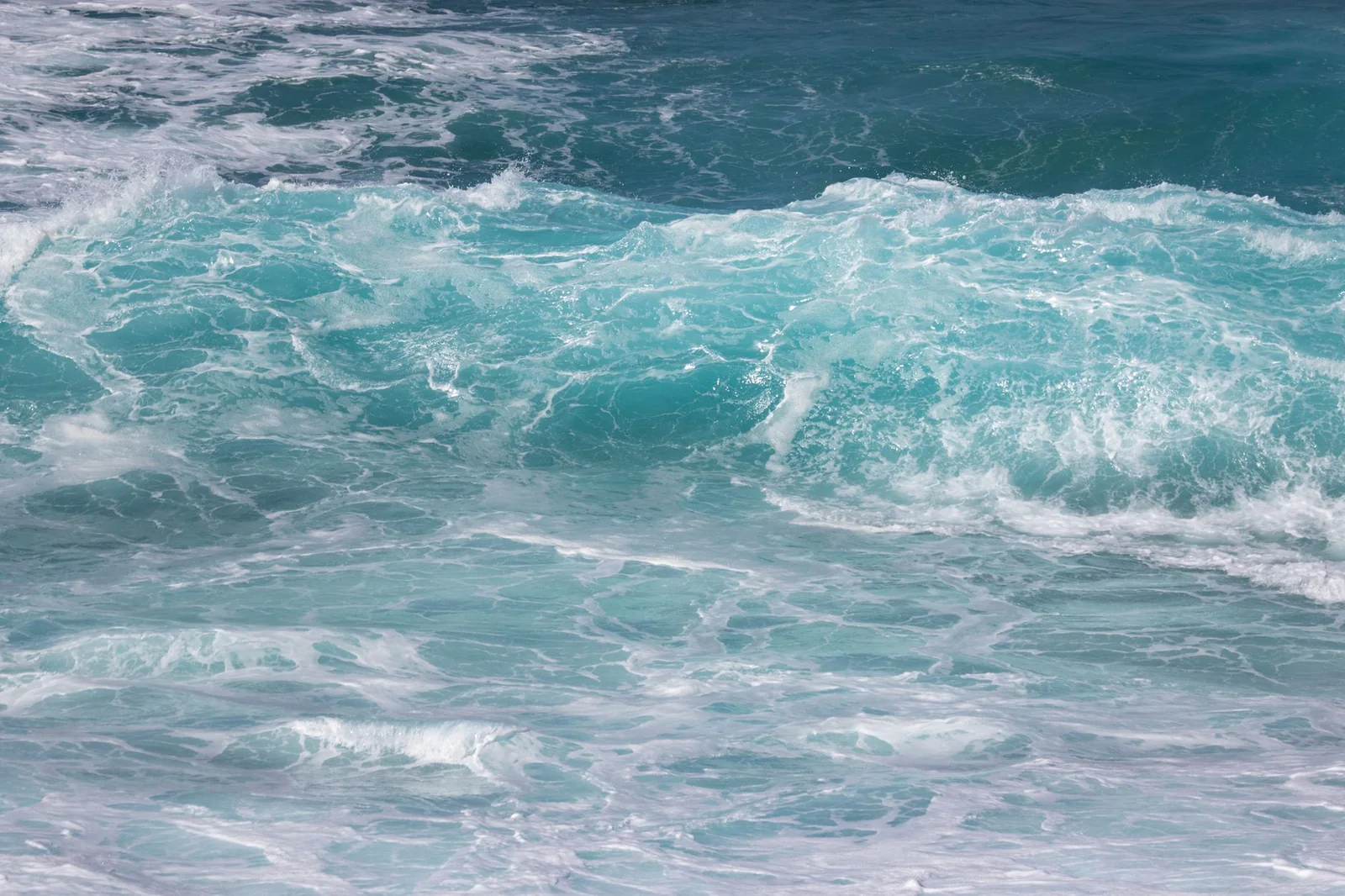
- Swell Shutdown Rule: Never enter when waves pulse upward into the cave mouth or crash white against the exterior cliffs.
- Emergency Numbers (Curaçao): Dial 911 (Police/Fire), 912 (Ambulance), 913 (Coast Guard), or +5999 745-0000 (Curaçao Medical Center).
How Tides & Swell Shape the Cave Entrance
Understanding the physical geometry of Blauwe Kamer prevents panic right at the threshold. Outside, the seabed drops steadily from coral-encrusted ledges into bright sand and reef slopes where visibility routinely passes 20 meters. As you swim right up to the cliff wall, the opening narrows into a low, wide limestone arch.
During low tide on calm mornings, a comfortable air gap stays open beneath the stone lip, letting snorkelers glide forward with chin and snorkel tip clear of rock. Come high tide, or whenever passing trade-wind ripples lift surface levels slightly higher, that breathing headroom closes. Swimmers pause three meters outside, take one calm unhurried breath, angle gently downward about 1 meter (3 feet) wearing a clear dive mask, and take two easy fin kicks horizontally for 1 to 2 meters (3 to 6 feet). Pop up gently on the interior side and you suddenly float inside an airy, vaulted room with plenty of space overhead! Remember to never push backward off sharp barnacles or sea urchins clinging along the underside of the lip.
Trouble starts exclusively when regional sea swells roll around the western tip of Curaçao. Even under clear sunny skies, distant tropical weather systems or wind reversals (most common in September through November) push long-period swells straight onto the west coast. Out on open beaches like Grote Knip, a gentle 1-meter wave just rocks bathers playfully. Funneled inside a semi-submerged rock mouth, that exact same wave compresses violently, sealing off air headroom, slamming swimmers upward against jagged stone ceilings, and sucking water back outward through sharp corners.
Learn a simple three-wave check before committing: float calmly 5 meters outside the entrance for 60 full seconds watching three consecutive wave sets. If water rhythmically plugs the opening with foam, slams noisily up into the ceiling hollow, or swirls milky suspended sand through the beam, turn around right there! Spend your morning exploring exterior cliff corals (see our snorkeling depth guide) or drive north to calm turtle bays instead.
Avoiding Cliff Descent Injuries & Heat Exhaustion
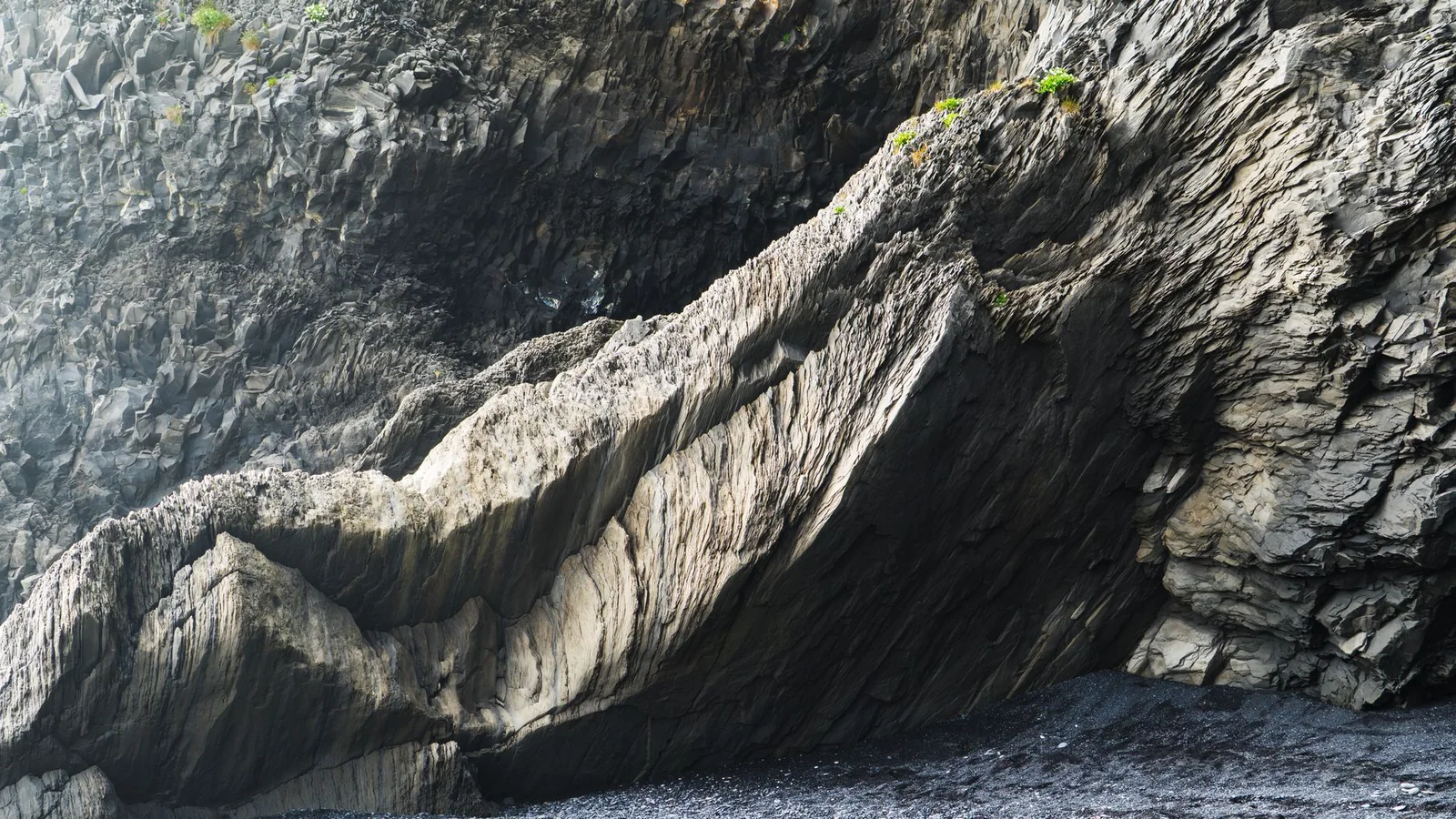
Water isn’t the only variable demanding caution. Travelers who skip organized boat access and hike across land from Playa Santa Cruz encounter two distinct terrestrial risks: dehydration under zero shade and nasty cuts from fossilized coral rock.
Walking 1.5 to 2.0 kilometers across dark coastal karst around midday feels far hotter than strolling shaded city streets in Willemstad. Radiant glare bounces straight off pale limestone paths lined with spiky cacti. Hikers who arrive at 10:30 AM with one tiny half-liter water bottle often feel dizzy before completing the hike back uphill at 1:30 PM. Pack at least 1.5 liters per adult, slip on a brimmed hat or UPF shirt, and wear closed-toe water sandals or trail shoes with thick soles.
Wait: what about scrambling straight down the rock chimney above the cave vs swimming from Boka Santu Pretu? Climbing down steep, knife-edged limestone right above Blauwe Kamer leaves almost zero margin for wet rubber soles. Worse yet, climbing back up onto sharp wet steps while surging waves drop and lift your weight catches inexperienced hikers off guard every week, causing deep scrapes along knees, forearms, and heels. Entering over smooth pebbles at Boka Santu Pretu on flat seas or riding a licensed charter boat from Santa Martha Harbor keeps you out of harm’s way cleanly.
Marine Etiquette, Boat Props & Jellyfish Awareness
Busy midday hours between 11:00 AM and 1:30 PM frequently bring multiple small charters bobbing simultaneously off the cliff wall. Stay sharp whenever exiting the dome back into bright sunshine. Listen carefully for idling engines, keep bright-colored vests or rash guards visible near the surface, and swim in wide arcs clear of moored transoms and boarding ladders until crews turn props off cleanly.
Inside Blauwe Kamer, keep limbs centered away from walls. Curaçao marine conservation standards (championed island-wide alongside CARMABI Marine Park protection principles) prohibit touching coral heads, breaking sponges, or resting hands on reef formations. After shifting coastal winds, occasional small translucent moon jellies or wispy stinging hydroids drift through western surface eddies; pulling on a thin long-sleeve swim shirt shields your torso cleanly while reducing chemical sunscreen runoff in calm cave pockets. Check our gear and camera guide for safe mineral sunscreen and antiseptic basics!
Emergency Contacts & Medical Evacuation in Banda Abou
Banda Abou lies roughly 40 to 55 minutes by car from Willemstad’s main emergency services, and cell coverage occasionally dips right along deep cliff coves. Always program these official Curaçao numbers into your phone before driving west, and keep one seperate dry-bag emergency card if hiking solo:
- Police & Fire Department (Emergency): 911
- Ambulance / Medical Dispatch: 912
- Curaçao Coast Guard (Maritime Search & Rescue): 913 (vital if a swimmer becomes caught in unexpected offshore drift or injured along cliffs)
- Police (Non-Emergency): 917
- Curaçao Medical Center (CMC Hospital): J.H.J. Hamelbergweg z/n, Otrobanda, Willemstad (
+5999 745-0000) - Roadside Assistance (Rental Car Issues): 9247
Tell your hotel front desk or travel companions where you parked and when you expect to return. Check best timing and tide charts the night before, and review our tour comparison list if you prefer having a licensed captain, VHF marine radio, rescue ring, and first-aid box sitting yards from the doorway!
Family, Children & Non-Swimmer Suitability
Can children or hesitant swimmers visit Blue Room Cave safely? Honest answer: it depends strictly on age, open-water stamina, and access mode. Do not drag non-swimmers down the exposed Playa Santa Cruz karst trail expecting gentle wade-in sand at the cave! Zero shallow ledges exist inside Blauwe Kamer; everyone floats continuously in 3 to 6 meters (10 to 20 feet) of saltwater.
Children ages 8 and up who already swim confidently with a snorkel mask usually handle a calm low-tide boat excursion beautifully when paired with a fitted life vest or noodle and an attentive parent right alongside them. Keep three limits clear before booking kids or older travelers onto a boat:
- Breath-Hold Comfort: Should afternoon tide cover the doorway lip, younger kids sometimes freeze when asked to duck completely beneath dark limestone rock. Test gentle underwater mask floats in shallow pool water first so nobody panics at the arch!
- Deck Rest Option: Ask your boat operator beforehand whether non-swimming companions may stay comfortably aboard shaded seating while others swim inside. Most Santa Martha boats let companions watch clear reef fish from deck steps without pressuring anyone underwater.
- Skip Cliff Scrambling Completely: Even fit teenagers slip on algae-covered limestone below the plateau; families visiting on land should stick strictly to Playa Santa Cruz sand, Boka Santu Pretu shoreline wading, or calm shallow turtle swimming at Playa Piskado.
Handling Coral Scrapes, Ear Pressure & Dehydration
Even careful snorkelers occasionally brush sharp limestone edges or swallow stray seawater if surprised by a ripple. Keep a compact recovery routine ready in your car or boat bag:
- Minor Limestone Cuts: Coral rock contains tiny living organisms that inflame slow-healing scratches if left unwashed in humid air. Flush scrapes promptly using bottled drinking water, clean lightly with antiseptic wipes, and avoid wrapping dirty sandy towels around open skin.
- Equalizing During Duck-Unders: At 1 meter (3 feet) deep you feel virtually zero painful sinus squeeze, yet swimmers fighting head colds or congested ears should skip diving underwater altogether on high-tide days.
- Early Heat Fatigue: Dizziness, sudden chills in tropical sun, or muscle cramps along the Santa Cruz return trail signal mild dehydration. Sit under shade at the beach bar, sip cold water or electrolyte drinks slowly, and avoid driving until fully clear-headed.
Traps, Restrictions & Tourist Realities
- Forcing Entry on High Swell Days: No cave photo justifies being slammed against a jagged limestone arch; always abort if waves hit the ceiling brow or whitewash boils at the mouth.
- Entering Without Mask or Swim Experience: Trying to duck underwater blind with regular sunglasses or zero open-water comfort invites panic and scrapes on the low ceiling rock.
- Forgetting Hydration on the Santa Cruz Walk: Walking back 45 minutes under midday sun without at least 1 liter of remaining water regularly triggers heat dizziness before reaching the parking lot.